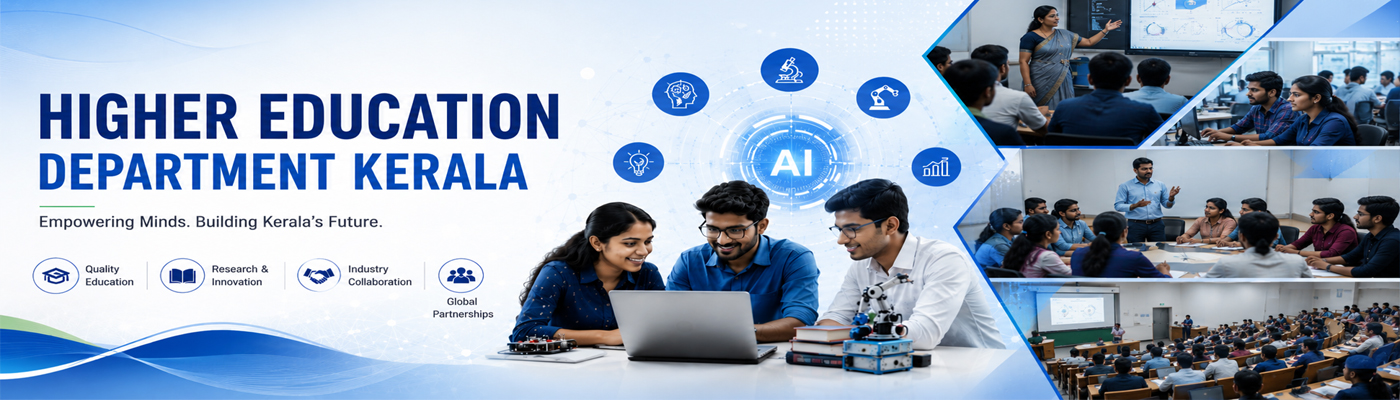


Kerala’s higher education ecosystem is undergoing an aggressive transformation to turn the state into a global knowledge society. Spearheaded by the Kerala State Higher Education Council (KSHEC) and specialized state agencies, the focus is squarely on modernizing curricula, enforcing practical industry exposure, and introducing flexible learning formats
## 1. Structural Policy and Curricular Reforms
- Four-Year Undergraduate Programme (FYUGP): Aligned with NEP 2020, Kerala has introduced the [multidisciplinary FYUGP framework across state universities. This model mandates skill modules and vocational streams directly inside standard arts and science degrees.
- Outcome-Based Education (OBE): Curricula have been redesigned away from rote learning toward technical competencies
- Academic Syndicate: The state is launching a dedicated [Academic Syndicate for Higher Education Governance
## 2. State-Driven Skill and Employability Initiatives
* ASAP Kerala (Additional Skill Acquisition Programme): Operating as the state's apex skilling body, curates industry-aligned certification paths covering 19 fast-growing contemporary sectors like IT-ITeS, Electric Vehicles, and Healthcare.
* Skill Development Centers (CSDC & CP): Kerala is embedding dedicated Centers for Skill Development Courses and Career Planning inside all higher education institutions state-wide, heavily supported by Keltron and IHRD.
* Internship Kerala Portal: Managed by the KSHEC, this centralized digital platform streamlines compulsory internship matching, directly connecting university students with registered industrial partners and MSMEs across Kerala.
## 3. The "Earn While You Learn" Innovation
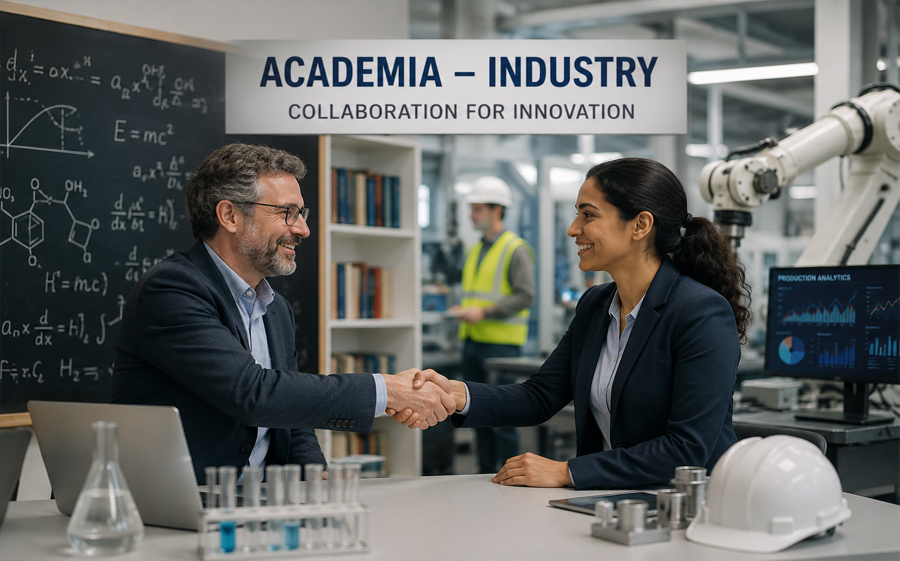
* Industry on Campus (IOC): Run jointly by the Technical Education Department, this scheme sets up functioning mini-factories and industrial workspaces directly inside Government Polytechnic Colleges.
* Advanced Machinery: The campuses feature ₹6.5 crore worth of industrial-grade tools—such as CNC lathes, vertical milling machines, and laser cutters—allowing students to work on real manufacturing projects.
* Revenue Sharing: Students receive up to 50% of the revenue generated from commercial product manufacturing, offering immediate financial incentives alongside vital industrial exposure.
## 4. Strategic Institutional Partnerships
* National and Global Co-Labs: Key institutions, like the [National Institute of Technology Calicut (NIT-C), work alongside national organizations like the National Skill Development Corporation (NSDC) to integrate Industry 4.0 applications (like Python data optimization and CI/CD pipelines) into routine technical training.
* B.Voc and Apprenticeship Integration: Revised Bachelor of Vocation (B.Voc) university degrees now integrate structural, formal apprenticeships, allowing students to alternate semesters between college halls and the workplace.
Our team offers the most up-to-date, sustainable all manufacturing allsolutions. teachings of the great explorer of the truth We only source materrials from tried and trusted suppliers.